How Gold is Processed and Refined into Pure Gold Bars.
Gold does not emerge from the ground in the pure, shiny form that most people recognize. Instead, it is usually mixed with rock, sand, and other minerals, making it necessary to go through a series of complex processes before it becomes a refined gold bar. In Uganda, as in many other gold-producing countries, the journey from raw ore to pure gold involves several carefully managed stages that combine physical separation, chemical treatment, and high-temperature refining. Understanding this process provides a deeper appreciation of the value and effort behind every gold bar in the market.
The Nature of Raw Gold: Understanding the Starting Point
When gold is first extracted from mining sites, it exists in what is known as raw or unrefined form. This material may come from hard rock mining, where gold is embedded within solid rock, or from alluvial mining, where gold particles are found in riverbeds and sediments. In both cases, the gold is not pure and is often mixed with other elements such as silver, copper, iron, and various impurities.
The quality and composition of raw gold vary depending on the location and type of deposit. Some ores may contain high concentrations of gold, while others require extensive processing to extract even small amounts. Because of this variability, the processing method must be carefully selected to ensure maximum recovery while maintaining efficiency and safety.
Crushing and Grinding: Preparing the Ore
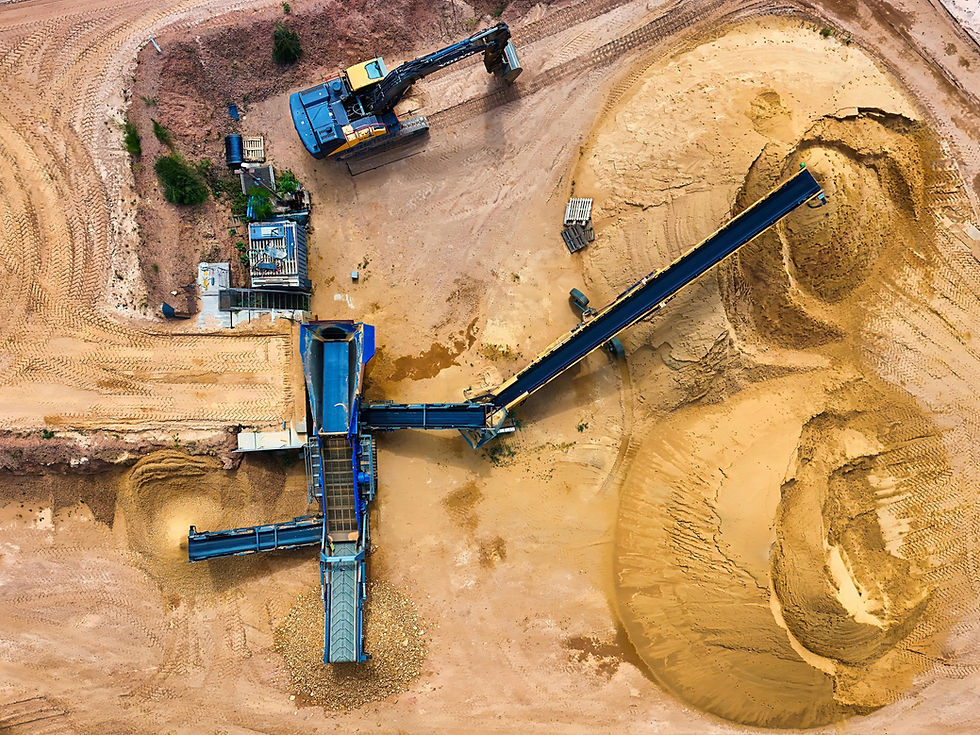
The first step in processing gold involves breaking down the raw material to make the gold accessible. Large rocks containing gold are crushed into smaller pieces using heavy machinery such as jaw crushers and ball mills. This process reduces the ore into fine particles, increasing the surface area and making it easier to separate gold from other materials.
Grinding is a critical stage because it determines how effectively the gold can be extracted in later steps. If the particles are too large, some gold may remain trapped inside the rock. If they are finely ground, the gold becomes more exposed, allowing for better recovery during separation. This stage lays the foundation for all subsequent processing activities.
Gravity Separation: Isolating Gold Using Weight
Once the ore has been crushed and ground, gravity separation is often used as one of the initial methods to recover gold. This technique takes advantage of gold’s high density compared to other minerals. By washing the material through specially designed equipment such as sluice boxes or shaking tables, heavier gold particles settle at the bottom while lighter materials are carried away by water.
In Uganda, gravity separation is widely used, especially in artisanal and small-scale mining operations, because it is relatively simple and does not require expensive equipment. Although it may not recover all the gold, it is an effective first step in concentrating the metal before further processing.
Chemical Processing: Extracting Gold from Concentrates
After initial separation, more advanced methods are often required to extract gold that remains mixed with other materials. Chemical processing plays a key role in this stage, allowing for higher recovery rates and greater efficiency.
One common method is mercury amalgamation, where mercury is added to the gold concentrate to form an amalgam. This process is widely used in small-scale mining due to its simplicity, but it poses serious health and environmental risks. As a result, there is increasing effort to reduce or eliminate its use.
In larger and more regulated operations, cyanidation is the preferred method. This process involves dissolving gold in a cyanide solution, which separates it from other minerals. The gold is then recovered from the solution through additional chemical reactions. While cyanidation is highly effective, it requires strict controls to ensure safety and environmental protection.
Smelting: Transforming Gold into Metal Form

Once gold has been extracted from the ore, it still contains impurities and must be further refined. Smelting is the process used to achieve this transformation. During smelting, the gold concentrate is heated in a furnace at extremely high temperatures, often exceeding 1,000 degrees Celsius.
At these temperatures, gold melts and separates from other elements. Flux materials are added to help remove impurities, forming a slag that can be easily separated from the molten gold. The result is a more refined form of gold, though it may still contain trace impurities that require additional purification.
Refining: Achieving High Purity Gold
Refining is the final stage in the purification process, where gold is brought to a very high level of purity, often 99.5% or higher. This stage ensures that the gold meets international standards for trade and investment.
There are several refining methods, including chemical processes and electrolysis. In electrorefining, an electric current is used to separate pure gold from impurities, resulting in highly refined metal. This method is commonly used in professional refineries because it produces consistent and high-quality results.
Refining is a critical step because even small impurities can affect the value and usability of gold. By removing these impurities, the gold becomes suitable for use in jewelry, investment, and industrial applications.
Casting Gold Bars: Final Product Formation
After refining, the pure gold is ready to be shaped into bars. This process involves pouring molten gold into molds, where it cools and solidifies into the familiar rectangular shape of a gold bar. The bars are then removed from the molds, cleaned, and polished to achieve a smooth finish.
Each gold bar is typically stamped with important information, including its weight, purity level, and the identity of the refinery. This marking serves as a guarantee of authenticity and quality, making the gold bar suitable for trade in both local and international markets.
Quality Control and Certification
Before gold bars can be sold or exported, they must undergo strict quality control and certification. This process ensures that the gold meets required standards and is accurately represented in terms of weight and purity. Testing methods such as fire assay are commonly used to verify the composition of the gold.
Certification is essential in building trust within the gold market. Buyers rely on these guarantees to ensure they are receiving genuine and high-quality products. In Uganda, licensed dealers and refineries play a key role in maintaining these standards and ensuring compliance with regulations.
The Importance of Responsible Processing and Refining
Gold processing and refining are not only technical processes but also carry significant environmental and social responsibilities. The use of chemicals and high-energy processes can have negative impacts if not properly managed. As a result, there is a growing emphasis on adopting safer, cleaner technologies that minimize harm to the environment and surrounding communities.
Efforts are being made to promote mercury-free processing, improve waste management, and ensure that mining and refining activities are conducted sustainably. Responsible practices not only protect the environment but also enhance the long-term viability of the gold industry.
Uganda Mineral Dealers
Phone / WhatsApp: +256 768 994730
Location: Kampala, Uganda


Comments