How Gold is Discovered and Mined in Uganda.
Updated: Jul 8

Uganda is steadily emerging as one of East Africa’s notable gold-producing countries, with mineral-rich regions spread across areas such as Karamoja, Busia, Mubende, and Buhweju. Gold mining has become an important economic activity, supporting livelihoods and contributing to national revenue. However, the process of discovering and mining gold is not as simple as digging into the ground. It involves a series of well-coordinated stages that combine science, labor, technology, and regulation. Understanding this process gives insight into the true value of gold and the effort required to bring it to market.
Geological Discovery: Where Gold Begins
The journey of gold mining in Uganda starts with geological discovery, a scientific process that focuses on understanding the earth’s structure and identifying areas where gold may be present. Gold is typically formed deep within the earth over millions of years, often found in ancient rock formations such as greenstone belts or embedded within quartz veins. In some regions, gold is also found in alluvial deposits, where natural erosion has carried gold particles into rivers and stream beds.
Geologists use a combination of modern technology and fieldwork to locate these deposits. Satellite imagery helps identify geological patterns that may indicate mineralization, while geophysical surveys detect variations beneath the earth’s surface. Additionally, soil and rock samples are collected and analyzed in laboratories to confirm the presence of gold traces. This stage is critical because it narrows down vast areas into specific zones with real potential for mining.
Prospecting: Identifying Viable Gold Deposits
Once a promising area has been identified, the next step is prospecting, which focuses on confirming whether the gold deposit is significant enough to mine. This stage involves more direct interaction with the land and is often where both experienced geologists and local miners play a role. Prospecting helps determine not only the presence of gold but also its concentration and depth.
In Uganda, traditional methods such as panning are widely used, especially by artisanal miners. This involves washing soil in water to separate heavier gold particles from lighter materials. More advanced prospecting techniques include trenching, where shallow sections of the earth are dug to expose mineral layers, and drilling, which allows for deeper exploration. Core samples obtained from drilling provide detailed information about the underground composition, helping experts decide whether mining operations will be economically viable.
Licensing and Legal Framework
Before mining activities can officially begin, individuals and companies must comply with Uganda’s legal and regulatory requirements. The government has established a structured licensing system to ensure that gold mining is carried out responsibly and contributes to national development. This framework also helps prevent illegal mining and protects the environment.
Different types of licenses are issued depending on the scale and purpose of the operation. Small-scale miners typically operate under location licenses, while larger companies must obtain exploration licenses and mining leases. These legal requirements ensure that mining activities are monitored, taxes and royalties are collected, and safety standards are maintained. The licensing process plays a vital role in creating a sustainable and organized mining sector.
Gold Mining Methods in Uganda

Gold mining in Uganda is carried out using two main approaches, each with its own characteristics and level of sophistication. The most common is artisanal and small-scale mining, which involves local miners using basic tools and manual labor. This method is widespread because it requires minimal investment and provides immediate income for many communities. Miners dig shallow pits or follow underground veins, often working in groups under challenging conditions.
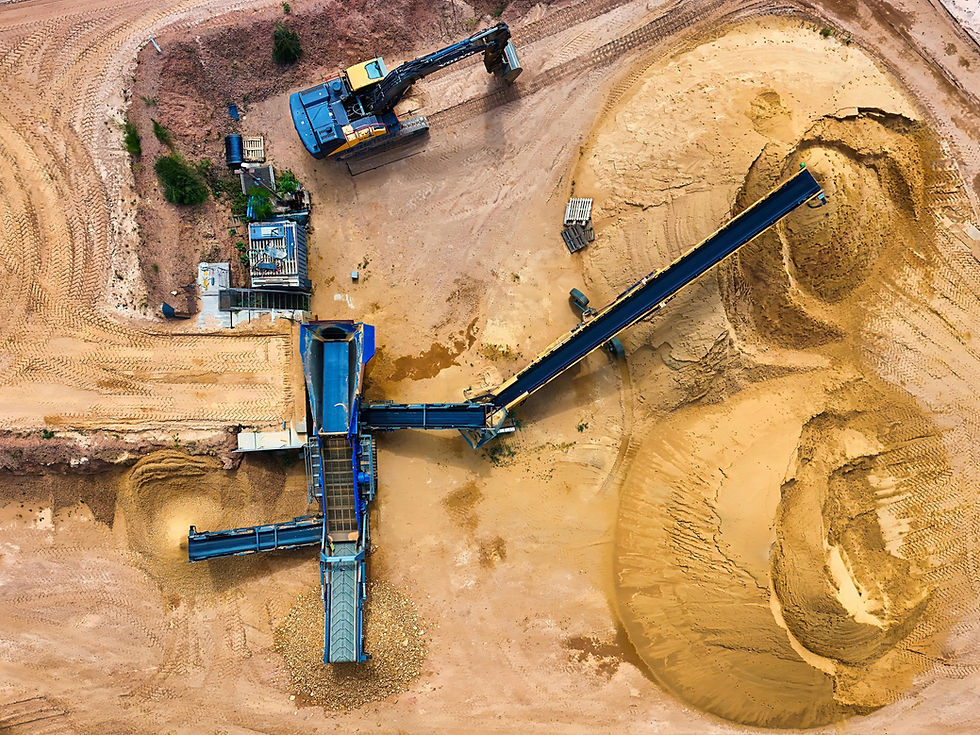
On the other hand, large-scale commercial mining involves the use of advanced machinery and modern techniques. Companies engaged in this type of mining invest heavily in equipment and infrastructure to increase efficiency and productivity. Open-pit mining is commonly used when gold deposits are close to the surface, while underground mining is employed for deeper deposits. These operations are typically more regulated and adhere to stricter environmental and safety standards, making them more sustainable in the long term.
Gold Extraction and Processing
After gold-bearing material has been mined, it must be processed to separate the gold from other minerals. This stage is essential because raw ore contains a mixture of substances, and the gold must be isolated to have any commercial value. The process usually begins with crushing and grinding the ore into fine particles, making it easier to extract the gold.
In many Ugandan mining areas, gravity separation is used due to its simplicity and effectiveness. This method relies on the fact that gold is heavier than most other materials, allowing it to settle while lighter particles are washed away. However, in some cases, chemical methods are applied to improve recovery rates. Mercury amalgamation is commonly used in small-scale mining, although it poses serious health and environmental risks. Larger operations often use cyanidation, a more advanced method that allows for higher efficiency but requires careful handling to avoid contamination. Increasingly, there is a push toward safer and more environmentally friendly processing techniques across the country.
Refining: From Raw Gold to Pure Metal
Once gold has been extracted, it still contains impurities and must undergo refining to achieve high purity. Refining is a crucial step that transforms raw gold into a usable and marketable product. The most common method is smelting, where gold is heated at extremely high temperatures to separate it from other metals and impurities.
During this process, unwanted elements such as silver and copper are removed, leaving behind purer gold. The refined gold is then shaped into bars or bullion, which can be easily stored, transported, and sold. Uganda has been developing its refining capacity in recent years, allowing more value to be retained within the country instead of exporting unprocessed gold. This development is an important step toward strengthening the local mining industry.
Gold Trade and Export
After refining, gold enters the commercial stage, where it is prepared for sale in both local and international markets. This process involves valuation, certification, and compliance with export regulations. Gold must meet certain quality standards and be properly documented before it can be traded.
Licensed dealers and exporters play a key role in this stage by facilitating transactions and ensuring transparency. Uganda exports gold to major global markets such as the United Arab Emirates, India, and Europe. The gold trade is a significant contributor to the country’s economy, generating foreign exchange and supporting various sectors linked to mining and logistics.
Environmental and Social Considerations
While gold mining brings economic benefits, it also has environmental and social impacts that must be carefully managed. Mining activities can lead to land degradation, deforestation, and water pollution if proper measures are not taken. The use of harmful chemicals, particularly in artisanal mining, poses serious risks to both human health and the environment.
At the same time, the sector provides employment opportunities and supports the livelihoods of many Ugandan families. Balancing these benefits and challenges requires strong regulation, community involvement, and the adoption of sustainable practices. Efforts are being made to educate miners, promote safer methods, and restore damaged environments to ensure long-term sustainability.
The Future of Gold Mining in Uganda
The future of gold mining in Uganda looks promising as the sector continues to evolve. Increased investment, improved technology, and stronger government policies are helping to modernize operations and boost productivity. There is also a growing focus on formalizing artisanal mining, providing miners with better tools, training, and access to markets.
As Uganda continues to develop its mining industry, there is great potential for growth and increased global competitiveness. By embracing responsible mining practices and investing in innovation, the country can maximize the benefits of its gold resources while minimizing negative impacts.
contact


Comments